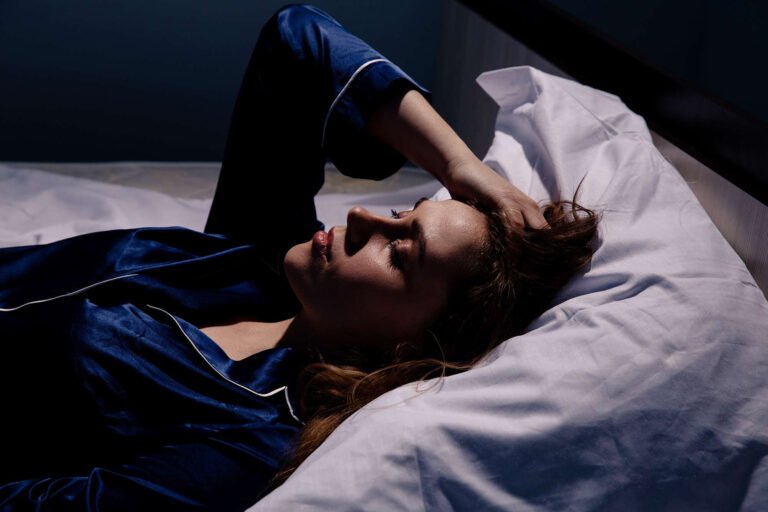
She was the “gifted underachiever” — report cards that said “could do better if she applied herself,” a mind that worked fast but a life that felt chronically behind. Good grades masking panic the night before every deadline. A reputation for being smart, scattered, and “a lot,” never quite connected to a name. For many women, ADHD symptoms in women don’t get recognized until their 30s, 40s, or later — often only after a child’s diagnosis makes the pattern suddenly, painfully familiar.
By the time many women reach that moment of recognition, they’ve already spent decades building an identity around words like “disorganized,” “too emotional,” or “never quite reaching her potential” — labels that, in hindsight, were describing something real that simply never had the right name attached to it.
Why ADHD in Women Looks Different (Hormones, Masking, Cultural Expectations)
ADHD research was built almost entirely on hyperactive young boys, which means the diagnostic picture most clinicians were trained on simply doesn’t match how ADHD commonly presents in women. Several factors compound this gap.
Hormonal fluctuations across the menstrual cycle, pregnancy, and perimenopause measurably affect dopamine and can intensify ADHD symptoms at predictable points, a connection most providers were never taught to look for.
Masking plays a major role too. Many women learn, often unconsciously, to over-compensate through intense effort, organization systems, or sheer anxiety-driven vigilance. This can keep symptoms invisible to everyone, including the woman herself, until the coping strategies stop working.
Cultural expectations add another layer. Girls are frequently socialized toward being quiet, agreeable, and organized, so inattentive symptoms get read as personality rather than a neurodevelopmental difference, while the same symptoms in boys are more likely to prompt a referral.

10 Signs of ADHD in Women
Chronic Overwhelm With Daily Life
A persistent sense of drowning in ordinary responsibilities — appointments, errands, deadlines — that others seem to manage without apparent effort, often accompanied by a nagging sense that everyone else got a system you never received.
The “Mental Load” Feels Crushing
Holding every running list in your head at once — what’s due, what’s needed, what everyone else forgot — can be exhausting for anyone, but for women with ADHD, the executive function demands of mental load tracking are disproportionately draining and rarely let up.
Perfectionism as a Coping Mechanism
Obsessively over-preparing, re-checking, or redoing work isn’t really about high standards — it’s often a strategy developed to compensate for an underlying fear of missing something or making a careless mistake that ADHD makes more likely.
Emotional Sensitivity and RSD
Rejection sensitive dysphoria — an intense emotional reaction to perceived criticism or rejection — is common in women with ADHD and often gets mislabeled as being “too sensitive” rather than recognized as a core part of the condition.
Chronic Lateness Despite Good Intentions
Genuinely caring about being on time and still running late constantly, due to difficulty estimating how long tasks actually take — a pattern often misread as a character flaw rather than the time-blindness it actually is.
Anxiety and Depression Diagnoses That Didn’t Fully Fit
Many women with undiagnosed ADHD spend years treated for anxiety or depression alone, with medication or therapy that helps somewhat but never quite resolves the underlying overwhelm, disorganization, or inattention driving the mood symptoms.
Hyperfocus on Interests, Neglect on “Boring” Tasks
Able to lock in for hours on something genuinely engaging, while routine tasks — paperwork, chores, admin — go untouched for weeks, not from laziness but because ADHD attention is interest-driven rather than importance-driven.
Sensory Overwhelm
Becoming quickly overstimulated by noise, crowds, bright lights, or clutter, needing to retreat or decompress afterward, is a commonly overlooked piece of the ADHD picture, particularly in women who’ve learned to push through it silently.
Cycle-Related Symptom Spikes (Hormonal Link)
Noticeable worsening of focus, emotional regulation, and organization in the days before a period, when estrogen drops — a hormonal link that’s well-documented but still rarely discussed in standard ADHD evaluations.
Constant Self-Criticism
A harsh internal narrator that frames every missed deadline or forgotten task as proof of laziness or inadequacy, rather than recognizing a genuine difference in executive function that was never identified or supported.
Why Girls Are Underdiagnosed
Inattentive ADHD — daydreaming, difficulty focusing, disorganization, without the hyperactive component — is far more common in girls than the hyperactive-impulsive presentation most people associate with ADHD. Because inattentive ADHD doesn’t disrupt a classroom the way hyperactivity does, it’s far less likely to prompt a teacher referral, even when a child is struggling significantly and quietly.
Add to this the tendency for girls to develop compensatory strategies earlier — high achievement, people-pleasing, excessive organization. It becomes easy to see why so many girls make it through childhood with ADHD intact but unnamed, only for the coping mechanisms to finally buckle under the increased demands of adult life: a career, a household, children of their own.
This delayed recognition carries a real cost. Years spent without an accurate diagnosis often mean years of self-blame, missed opportunities for support, and in many cases, treatment aimed at the wrong target entirely — an antidepressant or anti-anxiety medication that helps around the edges but never touches the executive function difficulties sitting underneath.
ADHD vs Anxiety in Women — How to Tell
Because ADHD and anxiety share so much surface overlap — restlessness, racing thoughts, difficulty concentrating, overwhelm — the two are frequently confused, and many women are treated for one when both, or only the other, are actually present. A few distinguishing patterns can help:
- Trigger: Anxiety often centers on specific worries or anticipated outcomes; ADHD-related overwhelm tends to persist even when there’s nothing specific to worry about, simply because tasks aren’t getting organized or completed.
- Onset: ADHD traces back to childhood, even if unrecognized at the time; anxiety can develop at any point in life in response to circumstances.
- Response to structure: ADHD symptoms often improve notably with external structure and systems; anxiety symptoms are less consistently affected by organizational tools alone.
- Core experience: Anxiety tends to involve excessive worry about what might go wrong; ADHD tends to involve difficulty initiating, sustaining, or organizing tasks regardless of worry level.
Many women genuinely have both conditions together, which is exactly why a proper evaluation — rather than a quick symptom checklist found online — matters for getting the full picture right and avoiding years of treating only half the problem.
Getting a Proper ADHD Evaluation as an Adult Woman
A thorough evaluation for adult women should look specifically for the patterns outlined above, not just the childhood hyperactivity criteria many assessments were originally built around. This typically includes a detailed developmental history — looking back at school reports, early coping strategies, and family patterns — standardized ADHD rating scales, and screening for commonly co-occurring conditions like anxiety and depression, since treating only the mood symptoms without addressing underlying ADHD rarely resolves the full picture.
Paramount Healthcare Services provides dedicated ADHD evaluation and treatment in Las Vegas, with an approach built to catch the presentation patterns that are specific to women and frequently missed elsewhere.
For women whose symptoms lean more toward anxiety alongside possible ADHD, our anxiety page covers that overlap in more depth and can help clarify which evaluation path makes the most sense to start with.
The process typically begins with a full mental health assessment, which looks at the complete clinical picture rather than ADHD in isolation, so treatment can be built around what’s actually driving the symptoms.
If you’re also wondering whether these patterns extend beyond what’s described here, our broader post on signs of ADHD in adults covers additional symptoms that affect both men and women.
FAQs
Why is ADHD diagnosed later in women than in men?
ADHD research and diagnostic criteria were historically based on hyperactive young boys, so the inattentive, internalized presentation more common in girls and women is frequently missed. Masking, compensatory strategies, and misdiagnosis as anxiety or depression all contribute to the delay.
Can hormones affect ADHD symptoms?
Yes. Estrogen influences dopamine regulation, so ADHD symptoms often fluctuate across the menstrual cycle, during pregnancy, and especially during perimenopause, when declining estrogen levels are commonly associated with a noticeable worsening of focus and emotional regulation.
Is inattentive ADHD different from hyperactive ADHD?
Yes. Inattentive ADHD involves difficulty with focus, organization, and follow-through without the physical restlessness associated with hyperactive-impulsive ADHD. It’s more common in girls and women and is frequently missed because it doesn’t disrupt a classroom or workplace the way hyperactivity does.
Your Struggles Have a Name — And They’re Treatable
If this pattern sounds like your own life, finally having a name for it can be the first real relief after years of wondering what was wrong. ADHD in women is highly treatable once it’s properly identified.
Get ADHD testing at Paramount Healthcare Services in Las Vegas.